Home aged care in Australia: A complete guide to costs, subsidies and services
For many Australians, the idea of growing older at home—surrounded by familiar comforts—has become the preferred choice. That’s where home care services near me come in. These services are designed to support independence, comfort, and safety for seniors or individuals recovering from illness. From personal assistance and meal preparation to clinical nursing and therapy, inhome care services can be customised to suit your unique needs. Whether you’re searching for private carers near me or considering government-subsidised options, understanding how these services work will help you make the best decision for your loved ones.
How Much Do Home Caregivers Charge in Australia?
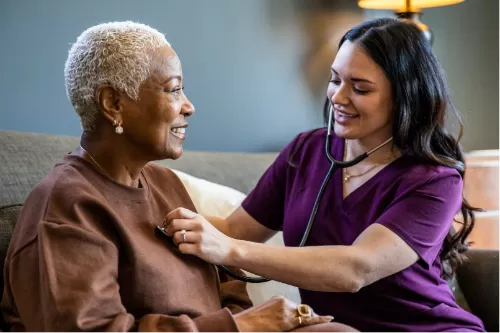
The cost of hiring home care providers near me varies depending on the level of care and location. For non-medical help—such as cleaning, meal prep, and companionship—the average rate ranges from AUD $35 to $60 per hour in cities like Sydney, Melbourne, or Brisbane. Regional areas may offer slightly lower rates.
When it comes to clinical or nursing support, prices rise. Private home health care services delivered by registered nurses typically start at AUD $50 to $80 per hour, depending on the complexity of care. These rates often include essentials like insurance, background checks, and supervision—factors that ensure peace of mind and professionalism. While hiring independent carers may seem cheaper, families must then handle tax and compliance issues themselves.
Government Support and Subsidies for Aged Care
While Medicare doesn’t usually cover ongoing personal care, the Australian government provides strong financial support through Home Care Packages (HCP) and the Commonwealth Home Support Programme (CHSP). To qualify, seniors need an assessment from the Aged Care Assessment Team (ACAT) or Service (ACAS).
Approved recipients receive funding that can cover a range of services—from home health care provider visits and meal delivery to physiotherapy and transport. These programs are means-tested, so co-payments may apply, but they can significantly reduce overall costs.
Additionally, some private insurers reimburse specific inhome care services such as wound care or occupational therapy. Always confirm coverage details with your provider before scheduling care.
Home Care vs Private Carers: What’s the Difference?
The term home care refers broadly to professional services delivered at home, while private carers near me are the individuals or agencies who provide that support. They might include personal care attendants, support workers, or registered nurses.
Aged care providers differ in their service scope—some focus on companionship and personal hygiene, while others offer high-level clinical assistance. Understanding the distinction helps you choose between agency-based care (which offers more structure) or private home health care (which offers flexibility and personal connection).
If you’re unsure which is right for your situation, consult local home care providers near me for tailored recommendations and cost comparisons.
Benefits of Inhome Care Services
The advantages of inhome care services go far beyond convenience. Remaining in a familiar environment helps reduce anxiety and maintain cognitive function—especially for those with dementia. Professional carers create personalised care plans, supporting everything from nutrition to medication management.
Moreover, home health care providers can prevent unnecessary hospital visits by offering ongoing clinical monitoring. They also provide emotional support and companionship, which research shows can greatly improve seniors’ quality of life. Many aged care providers also conduct safety checks to prevent falls and ensure the home environment supports mobility and independence.
How to Choose the Right Home Care Provider
Finding the right home care services near me starts with clarity about your needs. Do you need full-time medical assistance, or just a few hours of help each week? Look for providers that offer transparent pricing, accredited staff, and flexible scheduling. Reviews, referrals, and trial visits can also help ensure a good match.
Whether you’re exploring government-subsidised care or opting for private home health care, it’s essential to compare not just prices but the overall quality of care, staff qualifications, and responsiveness to individual needs.
Conclusion
Choosing home care isn’t just a financial decision—it’s an emotional one. The right home health care provider can dramatically improve daily life, promote independence, and give families peace of mind. From private carers near me offering personalised attention to trusted aged care providers delivering professional support, there’s an option for every household and every budget.
By understanding the costs, subsidies, and benefits of inhome care services, you’re not just planning for care—you’re investing in comfort, safety, and dignity for yourself or your loved ones.

Termite Treatment in Australia 2025 A Complete Guide to Protection and Remediation

Family Lawyer in Australia A Complete Guide for 2025

Why More Australians Are Switching to Solar Panels for Home Use

The Complete Guide to Finding the Right Electrician in Australia
-
Home aged care in Australia: A complete guide to costs, subsidies and services

Why More Australians Are Choosing to Become a Registered Nurse in 2026
Electrician Services in Australia A Complete Guide for Urgent Needs